


Knee Support for Seniors | Wellivu Most Advanced Brace
Knee Support for Seniors: Stop Watching Grandma Grab the Handrail — Give Her Knees What They Actually Need
That Slow, Careful Step Down the Stairs Means Something
When grandchildren watch grandparents brace themselves against walls, white-knuckle the railing, or wince getting up from a chair — that moment stays with them. This guide explains why aging knees lose strength over time, what the research says about rebuilding the cycle, and how the Wellivu Most Advanced Knee Brace was designed to give older adults the stability and everyday comfort they need to move freely again.
Does This Scene Feel Familiar?
It starts small. You notice your father placing one hand on the kitchen counter before standing up. You catch your mother pausing at the top of the staircase — not admiring the view, but calculating every step down. And one afternoon, your child turns to you and whispers, "Why does Grandpa walk like that?"
That question hits differently than you expect.
Knee discomfort and instability in older adults is not just an inconvenience — it is a quiet thief. It steals morning walks, family hikes, backyard playtime with grandchildren, and the quiet dignity of moving through a home without fear. Here are the specific warning signs that tell you an older loved one's knees are struggling:
- Stair hesitation: Gripping the banister with both hands, leading with the same leg every time, or avoiding stairs altogether
- Chair-rise difficulty: Using arm rests to push up, rocking forward multiple times before standing, or needing someone's hand
- Visible wince or gasp when rising, kneeling, or stepping down from a curb
- Shortened stride: Shuffling instead of stepping, reduced walking speed, or frequent stops on short distances
- Nighttime aches: Knee discomfort that worsens in the evening or disrupts sleep
- Swelling around the kneecap after periods of activity or extended sitting
- The "I'll just sit this one out" moment at family gatherings — when they decline to walk to the park, join a museum trip, or simply say they're tired
If you recognize two or more of these signs in someone you love, their knees are telling you something. The good news: this does not have to be the new normal. The right knee support for seniors can change that picture — starting today.
There's a Better Answer Than "Just Be Careful"
When families search for solutions, they are often handed the same tired advice: rest more, lose weight, take it easy. But older adults don't need less movement — they need supported movement. A properly engineered knee joint support brace does something simple advice cannot: it helps restore the mechanical confidence the knee has lost.
That's precisely what the Wellivu Most Advanced Knee Brace was designed to do. Built on biomechanical research and engineered for the demands of real daily life — stairs, walking, standing in the kitchen, bending to hug a grandchild — this brace is the option we'll be examining in depth throughout this guide. By the time you've finished reading, you'll understand not just what it does, but why it works at a level most braces never reach.
The Science Behind Why Senior Knees Feel Worn — And What Actually Helps
To understand why the right knee compression sleeve matters so much for older adults, you first need to understand what is actually happening inside an aging knee. This isn't about "getting old" as an abstract concept — it's about specific, identifiable mechanical and biological changes that compound over decades.
The cartilage loss cycle. Articular cartilage — the smooth, glassy tissue that cushions the ends of the femur and tibia — has no blood supply of its own. It receives nutrients through movement, specifically through the compression-and-release action of walking. As people age and activity slows (often due to early discomfort), cartilage is starved of the nutrients it needs. The result is a thinning and softening of this tissue that reduces shock absorption, increases bone-on-bone friction, and generates the inflammatory cascade behind ongoing knee discomfort.
Proprioception decline. Perhaps the most underappreciated driver of falls and instability in seniors is the loss of proprioception — the nervous system's ability to sense joint position in space. Research published in American Family Physician highlights that nonpharmacologic, noninvasive approaches are among the most effective for chronic musculoskeletal discomfort, specifically because they address the neuromuscular component that medication cannot reach. Read the research here. Compression bracing directly stimulates mechanoreceptors in the skin and soft tissue around the knee, effectively "reminding" the brain where the joint is — reducing the hesitant, shuffling gait pattern that signals proprioceptive loss.
Muscle atrophy and the instability spiral. The quadriceps, hamstrings, and calf muscles that stabilize the knee lose mass and firing speed with age — a process called sarcopenia. When these muscles can't react fast enough to correct for uneven ground, curbs, or unexpected weight shifts, the knee is forced to absorb forces it was never designed to handle alone. This overloading accelerates cartilage wear, irritates the synovial lining, and further discourages movement — completing a difficult cycle.
Manual therapy and compression: the evidence base. A 2024 systematic review and meta-analysis published in Systematic Reviews examined the effects of manual therapy approaches on discomfort and safety outcomes in people with knee osteoarthritis. The review reported significant improvements in discomfort reduction and functional outcomes, underscoring that mechanical, hands-on approaches to knee support — including structured compression — are well-supported pathways to greater comfort. Read the full systematic review.
How the Wellivu brace fits this science. The Wellivu Most Advanced Knee Brace was developed with these exact mechanisms in mind. Its graduated compression targets the proprioceptive feedback loop, helping reduce the nervous system's sense of instability. Its structural support offloads the forces that would otherwise be borne entirely by weakened muscles and thinning cartilage. And its ergonomic design encourages continued use — because consistency of wear is what drives long-term improvement, not sporadic use.
The Anatomy of Why Older Knees Struggle — And Why a Knee Stabilizer Brace Helps So Much

The knee is the largest and most mechanically complex joint in the human body — and also one of the most vulnerable in older adults. To appreciate why targeted support works, it helps to understand which specific structures are losing strength, and why.
1. The Quadriceps Group (Front of Thigh)
The four muscles of the quadriceps — rectus femoris, vastus lateralis, vastus medialis, and vastus intermedius — are the primary stabilizers of the knee during weight-bearing activity. In seniors, the vastus medialis oblique (VMO) is typically the first to atrophy, creating a muscular imbalance that pulls the patella (kneecap) laterally out of its natural groove. This maltracking generates sharp anterior knee discomfort during stair descent and deep knee bends. When grandma hesitates on the top step, her VMO is often the silent culprit.
2. The Patellofemoral Joint
The kneecap sits in a groove at the end of the femur called the trochlea. Under normal conditions, it glides smoothly as the knee flexes and extends. But with VMO weakness, poor patellar tracking, and thinning retropatellar cartilage, every step down a stair compresses the patellofemoral joint with forces equivalent to three to five times body weight. For a 150-pound senior, that's up to 750 pounds of force on a joint with degraded cushioning — with every single step.
3. The Medial Collateral Ligament (MCL) and Medial Compartment
Knee osteoarthritis preferentially affects the medial (inner) compartment first, narrowing the joint space and placing the MCL under chronic tensile stress. Seniors with even mild medial compartment narrowing develop a slight varus (bowlegged) alignment, shifting more load to an already compromised area. This is why older adults often describe discomfort on the inner side of the knee after walking moderate distances.
4. The Popliteus and Posterior Chain
The popliteus muscle at the back of the knee is responsible for "unlocking" the knee from full extension before flexion begins. In seniors, tightness and weakness in this muscle — combined with hamstring inflexibility — creates a posterior knee ache that worsens with prolonged sitting and eases with gentle movement. It's the deep, nagging ache at the back of the knee that many older adults describe as "pressure."
Why compression and structural support address all four at once. The Wellivu Most Advanced Knee Brace's multi-zone compression design applies calibrated pressure around the patella, medial compartment, and posterior capsule simultaneously — helping reduce malalignment forces at the patellofemoral joint, providing medial collateral support, and improving the proprioceptive signaling that helps the entire neuromuscular system stabilize the knee more effectively. It is not a one-problem solution. It is a whole-knee solution.
For seniors dealing with stair hesitation, chair-rise difficulty, or nighttime aching — the anatomy makes clear that this is not weakness of character. It is a structural challenge with a structural answer.
Your loved one has waited long enough. Give their knees the structural support the research points toward.
Shop the Knee Brace TodayKey Benefits & Features: Why This Is Great Knee Support for Walking, Stairs & Daily Life
The Wellivu Most Advanced Knee Brace was not designed as a generic compression wrap. Every feature addresses a specific challenge that older adult knees experience. Here's what sets it apart as a genuine support knee sleeve engineered for real-world senior movement:
- Open-Patella Design: The central cutout around the kneecap eases direct pressure on the patellofemoral joint — the most common discomfort point in seniors with osteoarthritis and patellar maltracking. This design reduces compressive loading on the patella while maintaining full lateral and medial support.
- Dual-Spring Stabilizer Stays: Bilateral flexible stays run along the inner and outer knee, providing medial and lateral collateral ligament support without restricting natural range of motion. This is the structural equivalent of a second set of ligaments for knees where the MCL and LCL have weakened over time.
- Graduated Compression Zones: The brace applies higher compression at the joint line (where proprioceptive feedback matters most) and lighter compression toward the top and bottom of the sleeve — preventing the tourniquet effect that makes most cheap sleeves unbearable to wear all day.
- Anti-Slip Inner Grip Band: A silicone-lined inner cuff keeps the brace exactly where it should be during stairs, walking, and bending — eliminating the constant readjusting that causes older adults to give up on other braces within a week.
- Breathable Four-Way Stretch Fabric: The moisture-wicking, breathable material keeps the skin dry and cool during extended wear — important for seniors who may have circulation concerns or sensitive skin.
- Easy Slip-On Design: No complicated straps, no Velcro systems that snag clothing. The Wellivu brace slides on in seconds — independence-preserving for seniors who live alone and don't have help getting dressed.
- Full-Day Wearability: Lightweight and low-profile enough to wear under pants or jeans, so grandma doesn't have to announce to the world that her knees need help.

- Thoughtfully designed compression zones support the areas seniors notice most
- Lightweight, breathable fabric keeps knees supported all day without discomfort
- Adjustable straps provide a secure, customized fit for any knee size
- A popular choice with active adults, seniors, and people staying on their feet all day
What Real Customers Say
★★★★★ Verified 5-star reviews from real buyers
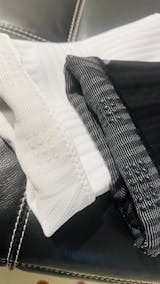
"There was a little hiccup— the button on the knee brace broke, but their staff swapped it out for a new one right away. One thing worth mentioning: the anti-slip dots on the Neenca knee brace I used before always gave me a rash. This one feels way gentler on the skin, and I wore it all day yesterday without any issues."
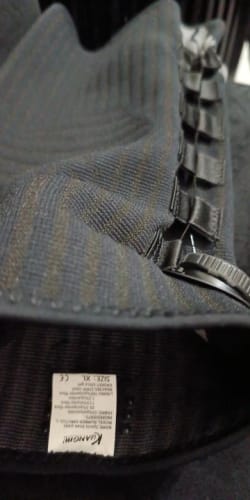
"Very high quality for someone who is 30 and has average slim legs, take size L or M. For larger legs, take sizes XL or XXL. Recommended to reduce the burden of prolonged movement and standing."
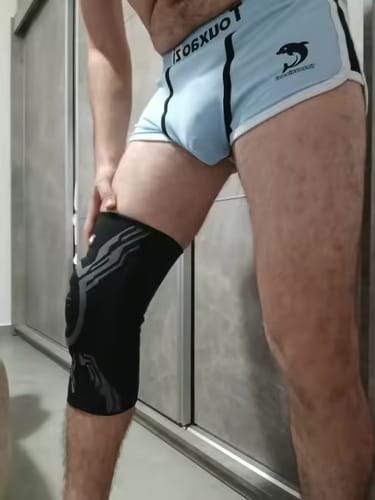
"The quality of this brace is outstanding. The materials feel durable, the support system works exactly as advertised, and my knee feels noticeably better during daily activities."

"I've been wearing this brace during my weekend pickleball games and the difference is incredible. My knee feels much more stable, and I'm able to move with greater confidence."
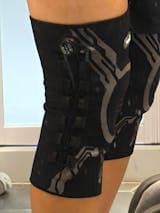
"Super professional design—got a silicone ring and a side spring that actually holds. The inner anti-slip nubs are legit; never slides even when I'm going hard on badminton."
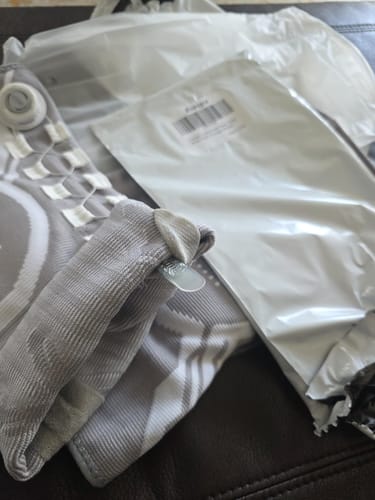
"After trying multiple knee braces, this is the first one that truly feels customizable. The adjustment dial lets me find the perfect level of support throughout the day."
"I've been wearing this knee brace during my daily walks and the support is outstanding. It feels secure without restricting movement and has helped me stay active."
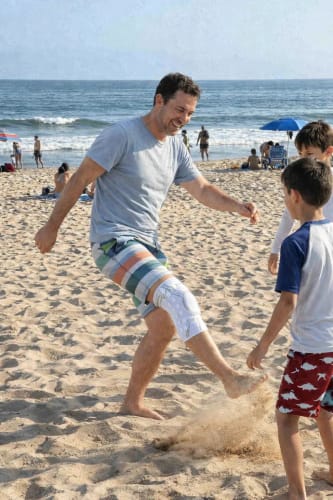
"I've tried several knee braces over the years, but this one stands out. The adjustable support system gives me the stability I need without feeling uncomfortable."
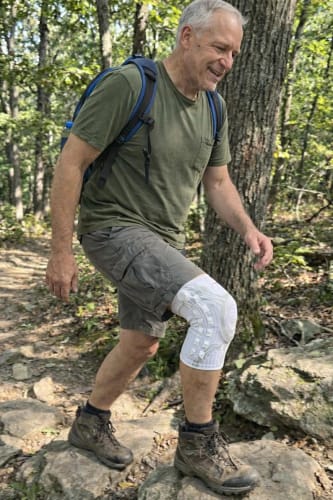
"This is easily the best knee brace I've purchased. The adjustable compression system helps me stay comfortable whether I'm walking, working, or exercising."
"The support knob is a fantastic feature. Being able to adjust the tension throughout the day makes this brace much more effective than traditional designs."
How It Compares: Wellivu vs. Standard Knee Sleeves
Not all knee braces deliver the same result — especially for older adults who need stability, not just warmth. Here's how the Wellivu Most Advanced Knee Brace stacks up against the two most common alternatives seniors are handed:

| Feature | Generic Compression Sleeve | Basic Drugstore Brace | Wellivu™ Most Advanced Knee Brace |
|---|---|---|---|
| Open-Patella Relief | ✗ | Limited | ✓ Dedicated cutout design |
| Dual Lateral Stabilizer Stays | ✗ | ✗ | ✓ Bilateral spring stays |
| Anti-Slip Inner Grip | ✗ | Limited | ✓ Silicone anti-slip band |
| Graduated Compression Zones | ✗ | ✗ | ✓ Multi-zone graduated |
| Full-Day Breathable Comfort | Limited | ✗ | ✓ 4-way stretch fabric |
| Easy Independent Donning | Limited | ✗ | ✓ Slip-on, no Velcro |
7-Day Plan: Helping an Older Loved One Rebuild Confidence With Knee Support

One of the most important conversations about knee bracing is not "which brace to buy" — it's "how do we actually build the habit so it works?" Many families purchase a brace that ends up in a drawer by Day 3. This plan prevents that. It was designed specifically for seniors being introduced to structured knee support for the first time, with each phase building on the last.
Day 1–2: Orientation and Low-Stakes Introduction
The goal of the first two days is familiarity without pressure. Have your loved one put on the brace for 2–3 hours during a calm part of the day — afternoon TV time, a short walk to the mailbox, puttering around the kitchen. This is not about performance; it is about letting the nervous system recognize and accept the new proprioceptive input.
- Duration: 2–3 hours per day
- Activity: Household movement, flat surfaces only
- Watch for: Any skin irritation, unusual tightness, or discomfort behind the knee (indicates incorrect sizing)
- Reassurance point: It may feel "different" — that is the compression engaging the proprioceptors. That is the brace working.
Day 3–4: Gradual Load Increase
By Day 3, the brace should feel noticeably more natural. Now is the time to reintroduce moderate daily tasks that may have been avoided: stairs with the brace on (one flight, both directions), a 10–15 minute walk on a flat neighborhood sidewalk, or standing activities like cooking or light housework.
- Duration: 4–6 hours per day
- Activity: Stair navigation (with handrail still used for safety), 10–15 min walk
- Key metric: Note the difference in stair hesitation vs. Day 1 — most users report measurable improvement in confidence by Day 4
- Supplement: Gentle seated quad sets (tightening the thigh muscle while sitting) for 10 reps, 3x per day — activates the VMO without loading the joint
Day 5–6: Expanding the Movement Envelope
This is where real-world confidence begins to build. Encourage your loved one to attempt activities they have been avoiding. A short grocery run. A walk to a neighbor's house. A family outing to a park (flat path, moderate duration). The brace's stabilizer stays will provide medial-lateral support across all of these scenarios.
- Duration: 6–8 hours or "most of the waking day"
- Activity: Community outings, light errands, family activities
- Add: Standing calf raises (10 reps, holding counter for balance) to strengthen the posterior chain supporting the knee
- Emotional milestone: Many seniors report that Day 5–6 is the first day they "forgot they were wearing it" — the gold standard of successful brace adaptation
Day 7: Establishing the Daily Habit
Day 7 is about anchoring brace use as a non-negotiable part of the morning routine — as automatic as putting on shoes. The goal: brace goes on after getting dressed, comes off before bed. Full stop.
- Duration: All-day wear as needed
- Activity: Resume full normal daily routine with confidence
- Ritual tip: Place the brace on the nightstand or top of the shoe rack — visible cues dramatically increase compliance in older adults
- Family role: A brief check-in call or visit on Day 7 to celebrate progress reinforces the habit at exactly the right moment
🌿 Consistency Is King
- A brace worn daily for 7 days does more than a brace worn sporadically for a month
- Proprioceptive retraining requires repetitive, consistent input — the nervous system needs repeated signals to rewire its stability responses
- The compression-to-improvement relationship is dose-dependent: more consistent wear = faster confidence rebuilding
- Set a family reminder: "Brace check" during morning calls is a simple accountability system that works
What the Research Actually Shows About Knee Support and Aging Joints
We referenced the underlying science in earlier sections — but what do the actual research outcomes look like? Here's what the peer-reviewed evidence reports, using only findings from the studies provided:
On noninvasive approaches for chronic musculoskeletal knee discomfort: The 2020 review in American Family Physician concluded that nonpharmacologic, noninvasive approaches represent a first-line option for chronic musculoskeletal discomfort — including knee conditions common in older adults. The review noted the importance of addressing neuromuscular factors alongside structural ones, supporting the case for compression-based approaches that stimulate proprioceptive feedback. Read the full article.
On manual therapy and compression for knee osteoarthritis: The 2024 systematic review and meta-analysis in Systematic Reviews examined evidence from studies on manual therapy — including joint mobilization and structured mechanical approaches — for people with knee osteoarthritis. The meta-analysis found statistically significant improvements in discomfort outcomes, and importantly, reported a favorable safety profile for these mechanical approaches. Full systematic review here.
On post-surgical knee recovery and structured support: The 2025 systematic review in Musculoskeletal Care examined early physiotherapy approaches following total knee arthroplasty (knee replacement). It found that structured, early-intervention physical approaches were associated with improved quality of life, discomfort reduction, and range-of-motion outcomes compared to delayed or passive recovery. Access the review. For seniors who have undergone — or are trying to avoid — knee replacement surgery, this evidence reinforces that proactive mechanical support during daily activity is meaningful.
The research consensus is consistent: structured, regular mechanical support is one of the most evidence-grounded approaches available for aging knee discomfort and instability. Not a gimmick. Not a temporary fix. A well-supported pathway.
Tips for Getting the Most From an Adjustable Knee Support

Buying the right brace is step one. Using it correctly is step two — and where most people leave performance on the table. Here are the habits that separate brace users who see big results from those who see modest ones:
- Size matters more than you think. Measure the circumference of the knee at the center of the kneecap, not the thigh or calf. A brace sized even one size too large will slide and bunch, defeating the anti-slip system. Too small creates tourniquet-effect pressure that reduces circulation. When in doubt, measure and consult the size chart.
- Warm up first, brace up second. Before putting on the brace in the morning, have your loved one do 5 minutes of seated ankle pumps and gentle knee circles. Warming the joint before compression helps the brace work with an already-mobile joint, not a cold-stiff one.
- Pair compression with movement — not rest. The biggest misuse of compression sleeves in seniors is wearing them exclusively while seated or watching TV. The proprioceptive benefits are activated through weight-bearing movement. Encourage use during activity, not as a substitute for it.
- Check skin daily for the first two weeks. Inspect the skin behind the knee and at the lower edge of the brace each evening. Any consistent redness or skin fold marks indicate a fit adjustment is needed — a 15-second tweak prevents weeks of compliance problems.
- Layer smartly for cold climates. In winter, a thin moisture-wicking base layer under the brace maintains warmth at the joint without making the brace too tight — important for seniors in cold regions who would otherwise abandon the brace for comfort in colder months.
- Wash every 2–3 days. A clean brace maintains its anti-slip properties and compression memory. Hand-wash in cool water, air dry flat. Never machine dry — heat degrades the elastic structure over time.
💡 The Family Tip No One Tells You
- If your loved one is resistant to wearing a brace ("I don't want to look like an invalid"), frame it differently: "It's a performance tool, like compression socks for circulation."
- The low-profile design of the Wellivu brace fits under clothing — no one at the family dinner will even know it's there
- Schedule a "first walk together" on Day 2 or 3 — having family present for early positive experiences anchors the habit emotionally, not just logistically
Who Is This Brace For — And Who Should Talk to a Doctor First
The Wellivu Most Advanced Knee Brace is designed for a wide spectrum of older adult needs — but being specific about who benefits most helps families make the right decision quickly.
This brace is a great fit for seniors who:
- Experience general knee stiffness or aching during or after daily walking
- Have mild-to-moderate knee osteoarthritis and want to maintain an active lifestyle
- Are recovering from minor knee strains, bursitis, or overuse discomfort
- Have been advised by a physical therapist or physician to use knee compression support
- Have had a knee replacement and completed formal rehabilitation, but want continued daily support
- Are concerned about fall risk and want to improve proprioceptive stability during movement
- Simply want to keep up with grandchildren on walks, at parks, or during family activities without dreading the aftermath
Who should consult a physician before use:
- Seniors with severe knee instability or ligament rupture requiring surgical evaluation
- Those with active deep vein thrombosis (DVT), peripheral arterial disease, or significant circulatory impairment
- Individuals with open wounds, active skin infections, or recent surgical sites at the knee
- Anyone whose knee discomfort is sudden, severe, or accompanied by significant swelling, locking, or inability to bear weight
⚕️ Wellness Disclaimer
- The Wellivu Most Advanced Knee Brace is a wellness and activity support product. It is not a medical device and is not intended to diagnose, treat, or prevent any medical condition.
- If your loved one has been diagnosed with moderate-to-severe knee osteoarthritis, has undergone recent knee surgery, or has any cardiovascular or circulatory condition, please consult a licensed healthcare provider before use.
- The research cited in this article reflects findings from independent peer-reviewed publications and is presented for educational purposes only.
Frequently Asked Questions
Is this brace really great knee support for climbing stairs for older adults?
Yes — the open-patella design and bilateral spring stabilizer stays specifically address the patellofemoral compression and medial-lateral instability that make stairs hard for seniors. The anti-slip inner grip band keeps the brace centered during the repetitive step-up and step-down motion, providing consistent support through every stair cycle. Most users report a noticeable reduction in stair hesitation within the first few days of consistent wear.
Can grandma wear this brace for everyday use all day without discomfort?
The Wellivu Most Advanced Knee Brace was specifically engineered for full-day, everyday support. Its four-way stretch breathable fabric, graduated (not uniform) compression, and low-profile slip-on design make it comfortable for extended wear under everyday clothing. We recommend starting with 2–3 hours on Day 1 and building toward all-day wear by Week 2, following the 7-Day Plan outlined above.
What size should I order for knee support for seniors — and how do I measure correctly?
Measure the circumference of the knee at the midpoint of the kneecap while standing. This knee brace size chart measurement (not the thigh or calf) is the most accurate predictor of fit. The brace should feel firmly supportive without causing numbness, tingling, or skin indentation after wear. If you are between sizes, size up for all-day comfort; size down only if light activity is the primary use case.
Is this a good knee support for knee replacement recovery?
For seniors who have completed formal post-operative physical therapy following total knee arthroplasty, this brace offers continued daily support during the long-term recovery and return-to-activity phase. A 2025 systematic review reported that structured mechanical support during post-TKA recovery is associated with improved quality of life and discomfort outcomes. See the research. Always confirm with your surgeon that compression brace use is appropriate for your specific post-surgical timeline.
How is this different from the cheap knee sleeves I can find at the drugstore?
Standard drugstore sleeves offer uniform compression without structural support stays, open-patella relief, or anti-slip systems. For general muscle warmth, they are adequate. For seniors dealing with actual instability, patellar maltracking, or medial compartment arthritis, they fall short because they address only one of the three challenge areas (thermal/compression) while ignoring ligament support and proprioceptive correction. The Wellivu brace addresses all three at once — which is why the comparison table above shows such a clear difference in features.
Give Them Back the Steps They Stopped Taking
The moment a grandchild reaches for a grandparent's hand on the stairs — not to hold hands, but to help them balance — something shifts. It doesn't have to stay that way. The research is clear. The option is real. And at $55.20 — down from $89.00 — the best knee support for seniors they've had is one click away.
Don't let another family gathering pass with someone "sitting this one out." Don't let another staircase become a wall. The Wellivu Most Advanced Knee Brace was built precisely for the people you love most — and for every step they deserve to take with confidence.
38% off today — engineered for the knees of the people who matter most.
Get the Best Knee Support for Seniors — Shop Now